The difference between bubble gum and chewing gum becomes clear when you try to blow a bubble: some gums stretch into a thin layer, while others tear sooner. The difference is not just their size, sweetness or colour; how the texture behaves when stretched also matters. Here is a simple guide to the two types and how to choose between them.
What is the difference between bubble gum and chewing gum?
Bubble gum is also chewed, so the names do not describe entirely unrelated categories. In common product naming, bubble gum is designed to be more suitable for making bubbles. Chewing gum usually describes products focused on the experience of chewing.
To make a bubble, the gum must stretch without tearing quickly as it gets thin. Softness alone is not enough. This describes texture in general; formulas vary between brands and products.
What makes gum form a bubble?
The part that maintains gum’s chewy structure is called gum base. The American Chemical Society explains that its components contribute to softness and flexibility; long molecules also help give gum its elastic behaviour.
A layer of gum inflated with air must expand and withstand pressure. A study in the Journal of Rheology compared selected commercial chewing and bubble gums. In the samples tested, bubble gums showed greater resistance to breaking when stretched. The researchers stress that different formulations can achieve this behaviour, so there is no single ingredient or fixed percentage shared by all bubble gums.
To learn more about the general production and packaging process, read How is chewing gum made?
Is gum that does not blow bubbles lower quality?
Bubble size alone is not a suitable way to compare every gum. Consider what the product is designed for. If you want to blow bubbles, bubble gum is a better starting point; if you want gum for chewing, the individual product’s information and chewing experience matter more. Not all chewing gums fail to form bubbles, and not every bubble gum produces a bubble of a particular size.
Can you identify the type from its appearance or flavour?
Do not use a fruity colour, mint flavour, ball shape or box packaging as a substitute for the manufacturer’s description. Read the product name, category and package information together. Do not confuse the gum type with attributes such as sugar content; check the specific product label for its ingredients.
How can you choose Ferz bubble gum or chewing gum?
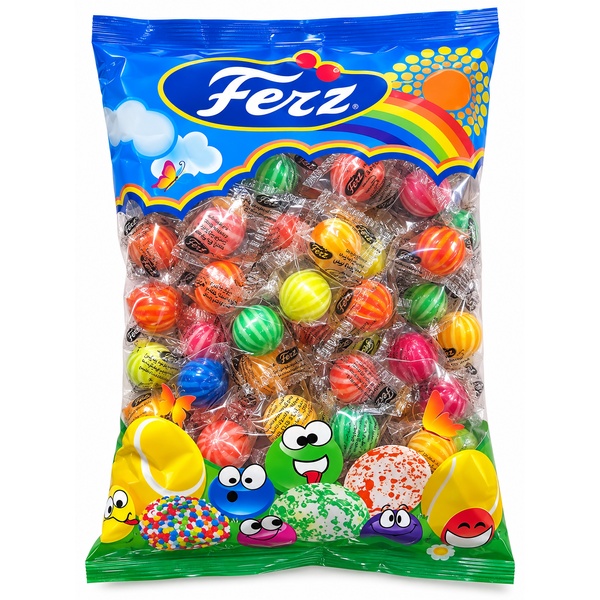
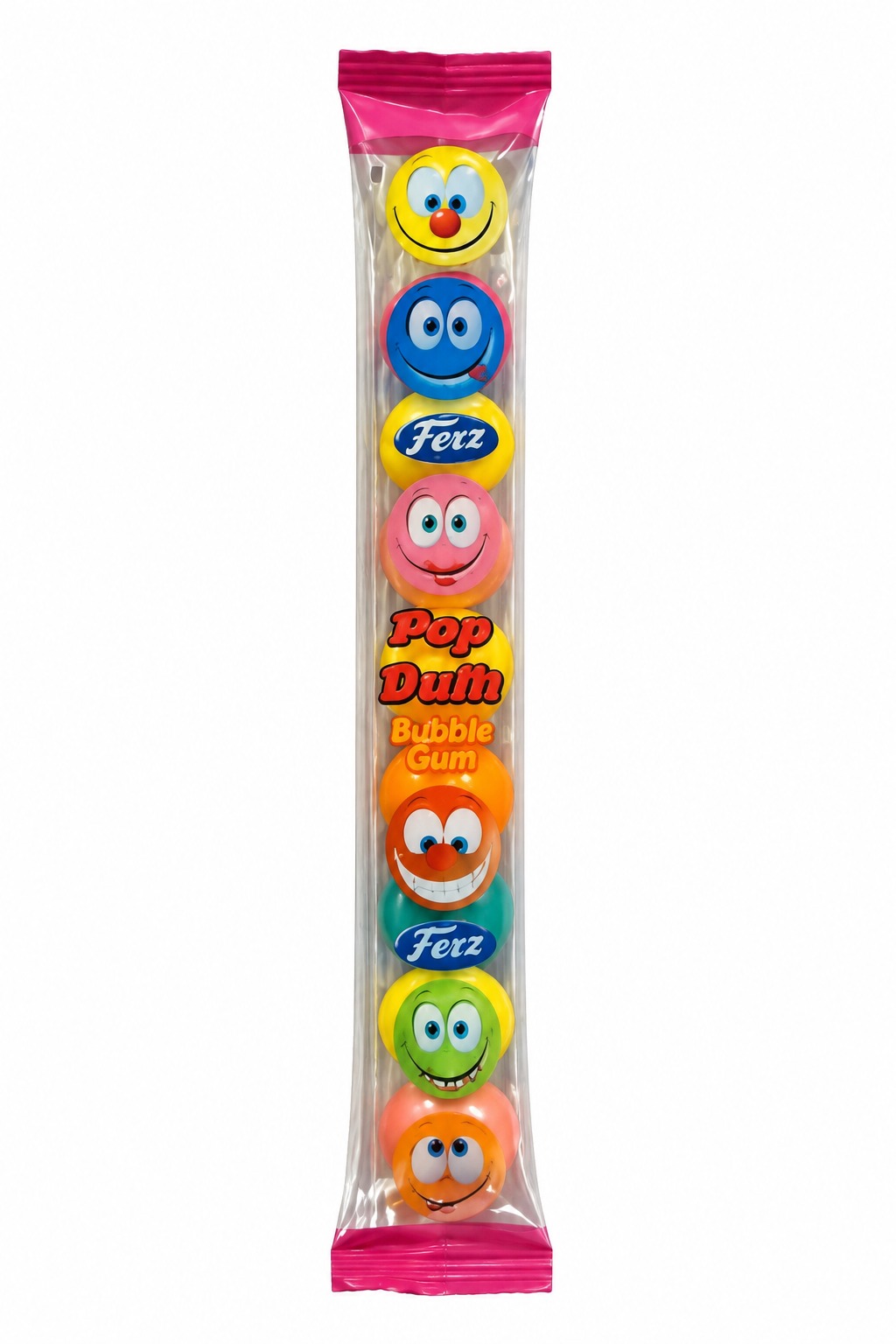
The Ferz product catalogue lists ball and bubble gums separately from chewing gums. Examples include Party Mix bubble gum and Ferz icy boxed chewing gum.
What should wholesale buyers check?
For a shop or distribution order, confirm:
- The exact product and flavour;
- The difference between consumer units, boxes and cartons, and quantities in each;
- Order quantity and delivery city;
- Current price and ordering conditions with the seller.
For packaging information and wholesale enquiries, use the Ferz sales contact page or call 021-56418150.
Frequently asked questions
Why do some gums tear quickly when making a bubble?
Stretch and tear resistance vary by product. Gum designed primarily for chewing should not necessarily be expected to perform like bubble gum.
Is bubble gum or chewing gum better?
That depends on what you want. Look at bubble gum if you want to make bubbles; for everyday chewing, read the individual product’s specifications and description.