Have you ever wondered who first chewed something resembling gum? The history of chewing gum stretches far beyond today’s colourful packaging and fruity flavours. People chewed different natural materials thousands of years ago, although those materials were different from modern gum.
What was ancient chewing gum like?
Researchers in Denmark found a piece of birch-bark pitch about 5,700 years old with signs of chewing. Analysis of the sample provided information about the person and the microbes in their mouth. We do not know exactly why the individual chewed it: perhaps to soften it, or for another reason. A study published in Nature Communications describes the discovery.
People in ancient Greece chewed tree resin, too. In parts of North America, some Indigenous peoples also used spruce resin.
The Maya, the Aztecs and chicle
One important material in the history of gum is chicle, a natural substance obtained from the sapodilla tree in parts of Mexico and Central America. Maya and Aztec people collected and prepared chicle for chewing. It later played an important role in commercial gum.
In Aztec society, chewing chicle in public was subject to particular social attitudes and customs. A Smithsonian article on the history of gum discusses these customs and the role of chicle.
How did chewing gum become a commercial product?
During the nineteenth century, chewing natural materials gradually became a business. In 1848, John Curtis introduced a commercial gum based on spruce resin. Other materials and recipes followed in subsequent years.
In the same century, Thomas Adams used chicle to make gum in the United States and helped spread chicle-based gum. The whole history of gum cannot be credited to one inventor; today’s gum is the result of changes across different eras.
Where did bubble gum come from?
For many people, blowing bubbles makes chewing gum even more fun. Producing gum suitable for bubbles, however, required a different formulation.
In the early twentieth century, manufacturers experimented with bubble gum. An early example appeared in 1906, and a more successful product reached the market about two decades later. The International Chewing Gum Association describes these stages in its timeline.
To try it yourself, read how to blow a bubble with gum.
How is modern gum different?
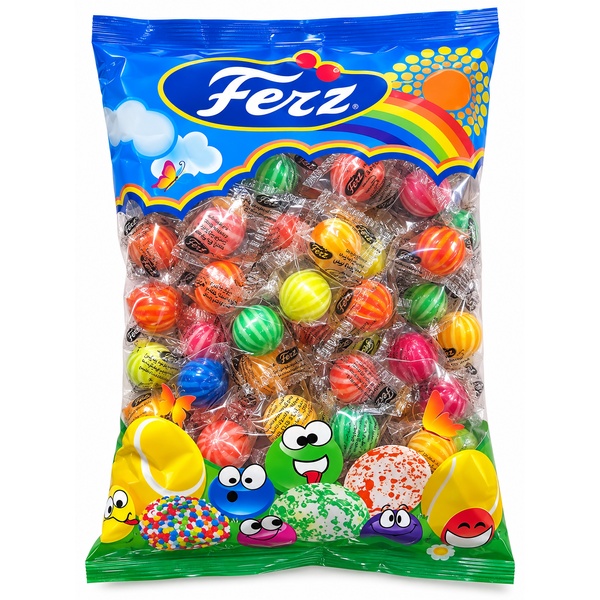
Today gum comes in a variety of shapes, flavours and packages. Some products are intended for ordinary chewing, while others, such as bubble gum, are better suited to blowing bubbles. Sugar-free varieties are also available alongside sweetened gums.
What remains is the appeal of a small, chewable treat that has travelled a long way from the natural materials of the past to today’s products.
Frequently asked questions about the history of chewing gum
Who invented chewing gum?
Chewing natural materials goes back thousands of years and cannot be attributed to one person. In modern times, people including John Curtis and Thomas Adams helped commercialise gum.
What is chicle?
Chicle is a natural material obtained from the sapodilla tree. Maya and Aztec people chewed it, and it was later used in commercial gum.
Was ancient gum like modern gum?
No. Ancient chewing materials were usually made from resin or other natural substances and differed from modern products in composition, flavour and form.
For more about the ingredients and types of modern gum, read our gum and selection guide.
Explore Ferz gum
See the Ferz products page to explore the range. Retailers and distributors can call Ferz sales on 021-56418150 for enquiries and wholesale arrangements.